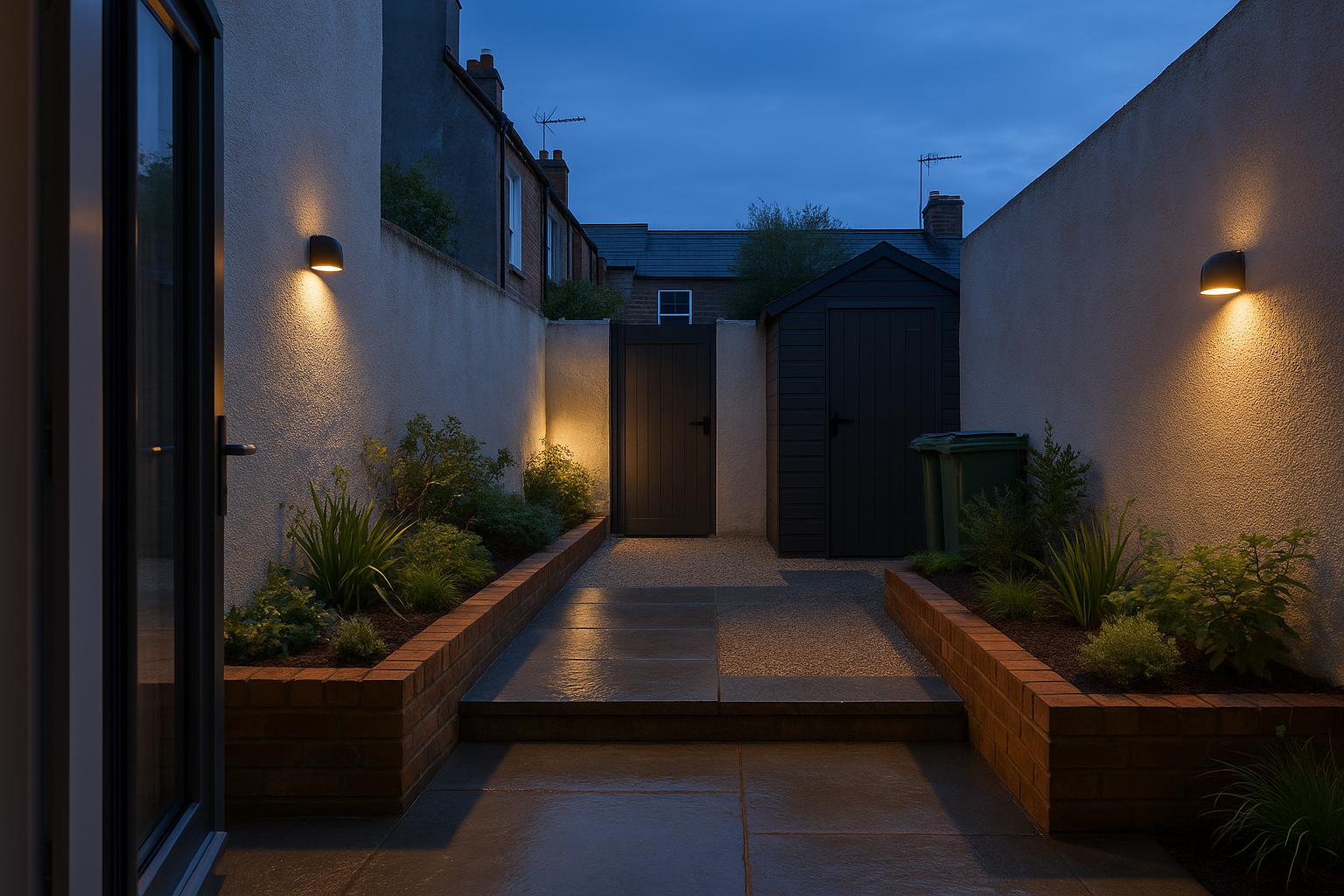
Good boundary lighting reveals the parts of a garden that people use while leaving unnecessary brightness out of the...
- There are no more items in your cart
- Shipping
- Total €0.00
Survey Your Home Before Choosing Light Fittings
A light fitting can be attractive, well made and entirely wrong for the room intended for it. The usual cause is not poor taste but missing information: an unmeasured ceiling, a door that opens into the fitting, a dim work surface or a switch positioned nowhere near the person who needs it.
Before browsing, spend an evening and part of a day surveying the house. The aim is to produce a short brief for each room, based on its dimensions, activities and existing electrical layout. That brief gives you something more dependable than a photograph or a general idea of what might look nice.
Inspect the house in daylight and after dark
Make two passes through the home. During the day, note where natural light enters, which parts of the room remain shaded and how finishes react to changing light. A north-facing sitting room, a deep kitchen extension and a converted attic may each need a different response even when their floor areas are similar.

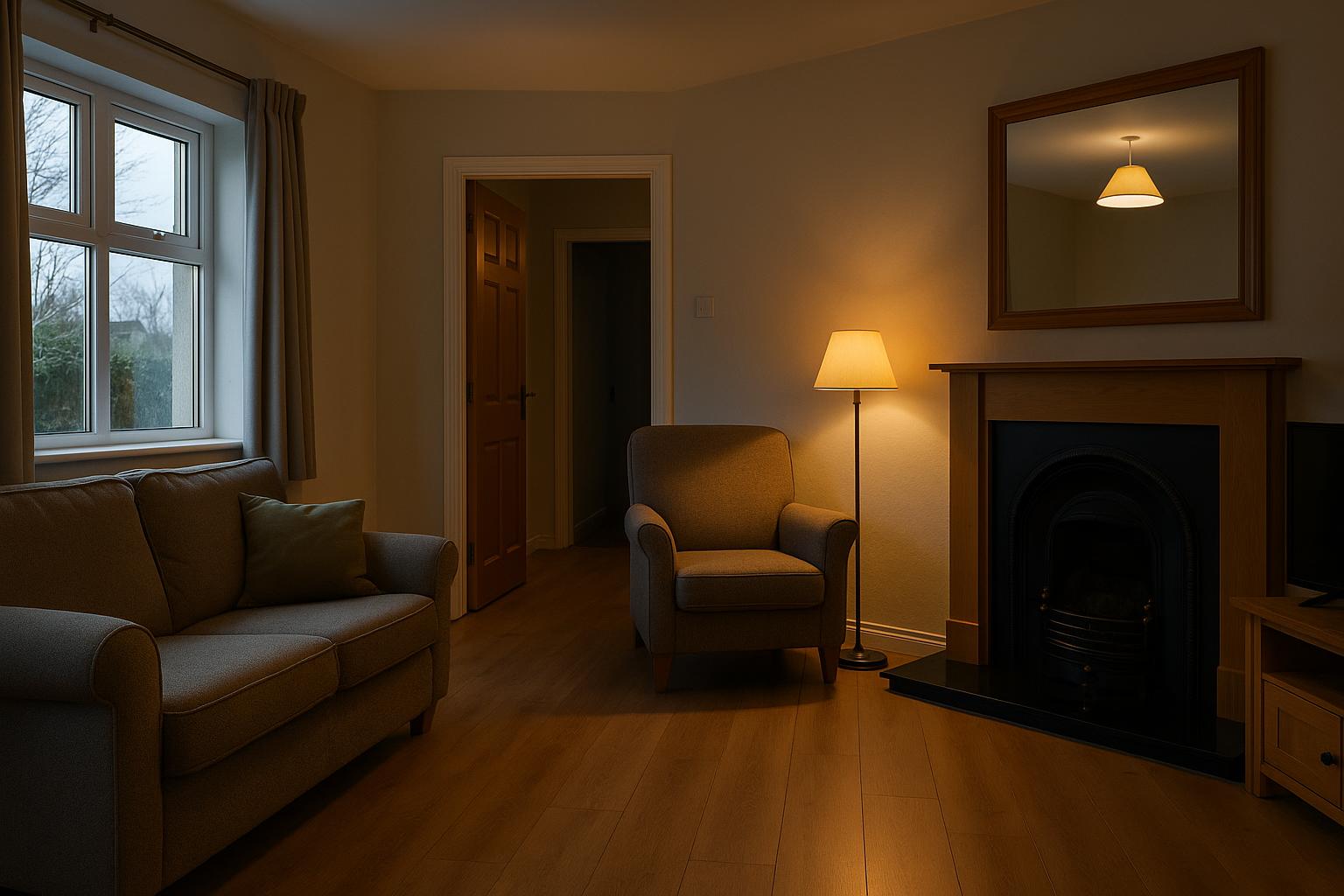
Return after dark and use the lights normally. Do not switch on every lamp simply to make the room brighter. Follow a typical evening instead: prepare food, sit down to read, walk upstairs and use the bathroom mirror. This reveals whether light is available where and when it is needed.
Take a few photographs from ordinary eye level. They can help you compare sightlines between the hallway, kitchen-diner and sitting room, but use them as a record rather than as a substitute for measurements.
Make a measured record of each room
Start a page or digital note for every space. Record the room length and width, ceiling height in metres and the position of each existing ceiling or wall point. Add sloping sections, beams, roof windows, alcoves and unusually deep ceiling roses. In compact rooms, mark anything that moves through the fitting's space, including doors, tall cupboard doors and opening windows.
Measure the available depth as well as the width. A ceiling light that appears modest from below may project too far into a low hallway or dormer bedroom. Conversely, a very shallow fitting can look lost beneath a high period ceiling. If a pendant is being considered, note the height of the furniture below it and whether people will walk underneath or view it across the room.
Do not assume that an existing point is suitable for a heavier replacement. Ceiling construction, fixings and the fitting's weight all need consideration. Any uncertainty about support or fixed wiring should be raised with a Registered Electrical Contractor before the product is ordered.
Follow movement and everyday activities
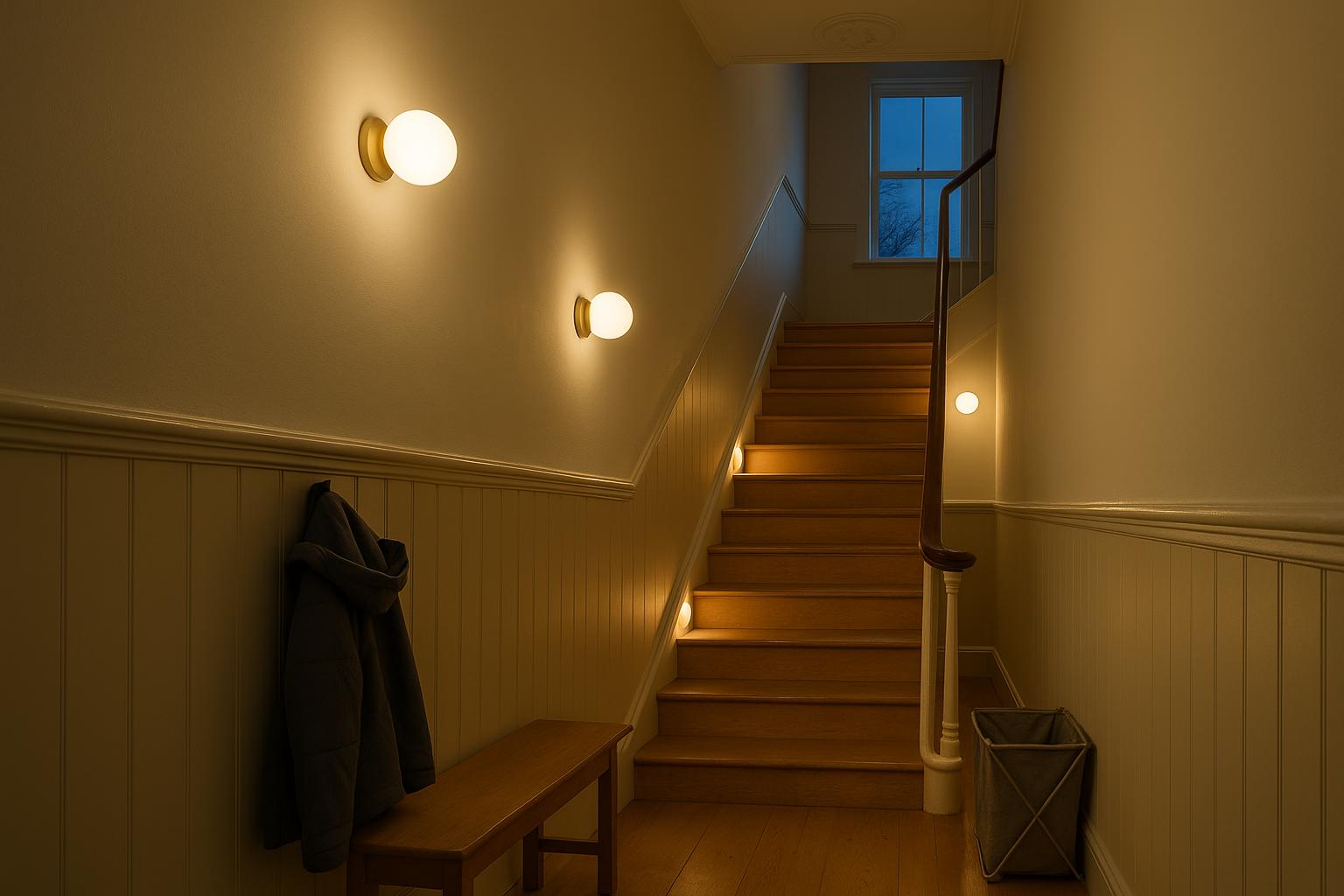
A floor plan shows the room, but it does not show how the household uses it. Trace the routes from the front door to the stairs, from the kitchen to the dining table and from the bed to the bedroom door. Look for changes in level, awkward corners and places where someone may be carrying bags, laundry or hot food.
To complement this topic, you can also read Place Pendant Lights Around the Room, Not Just the Ceiling.
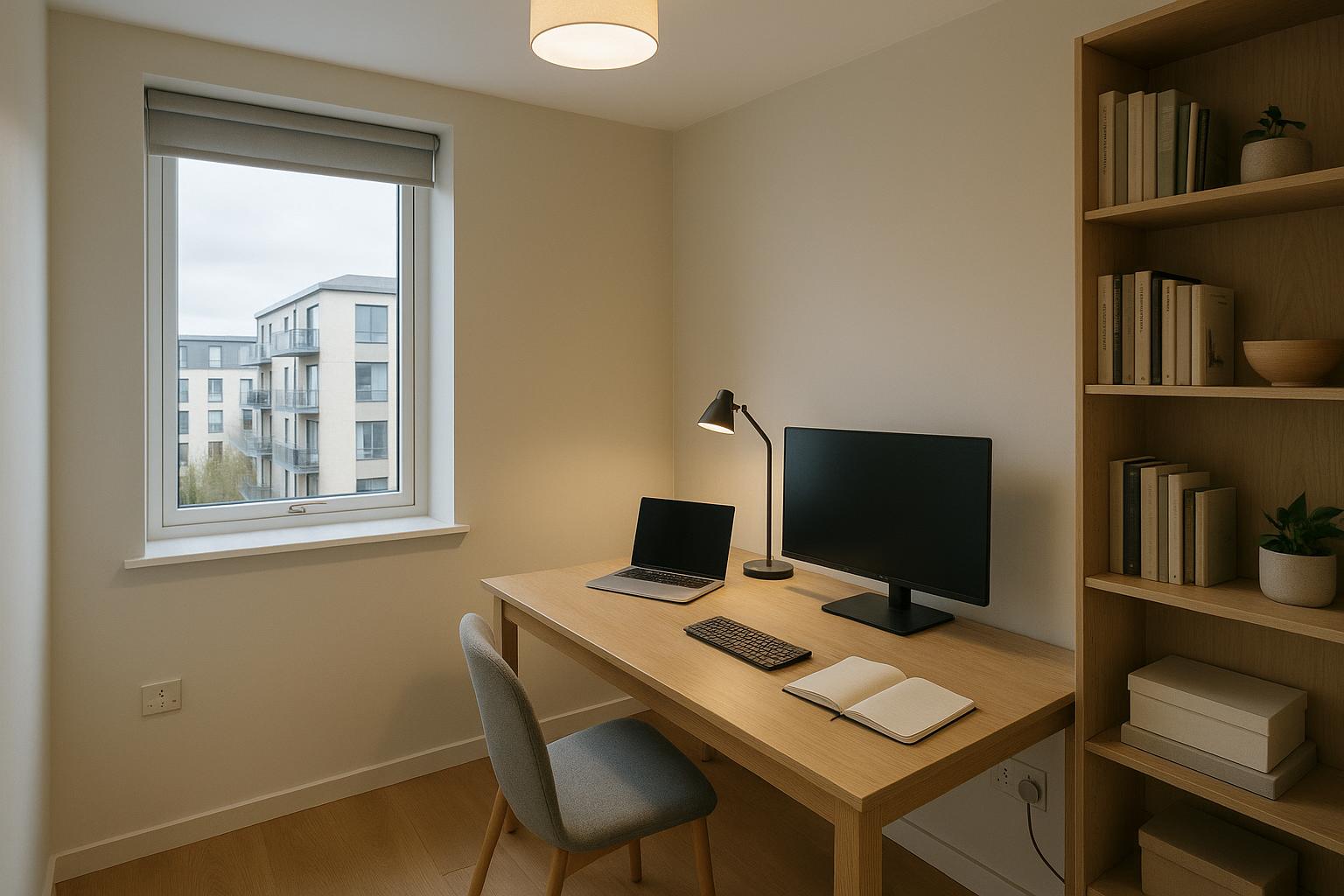
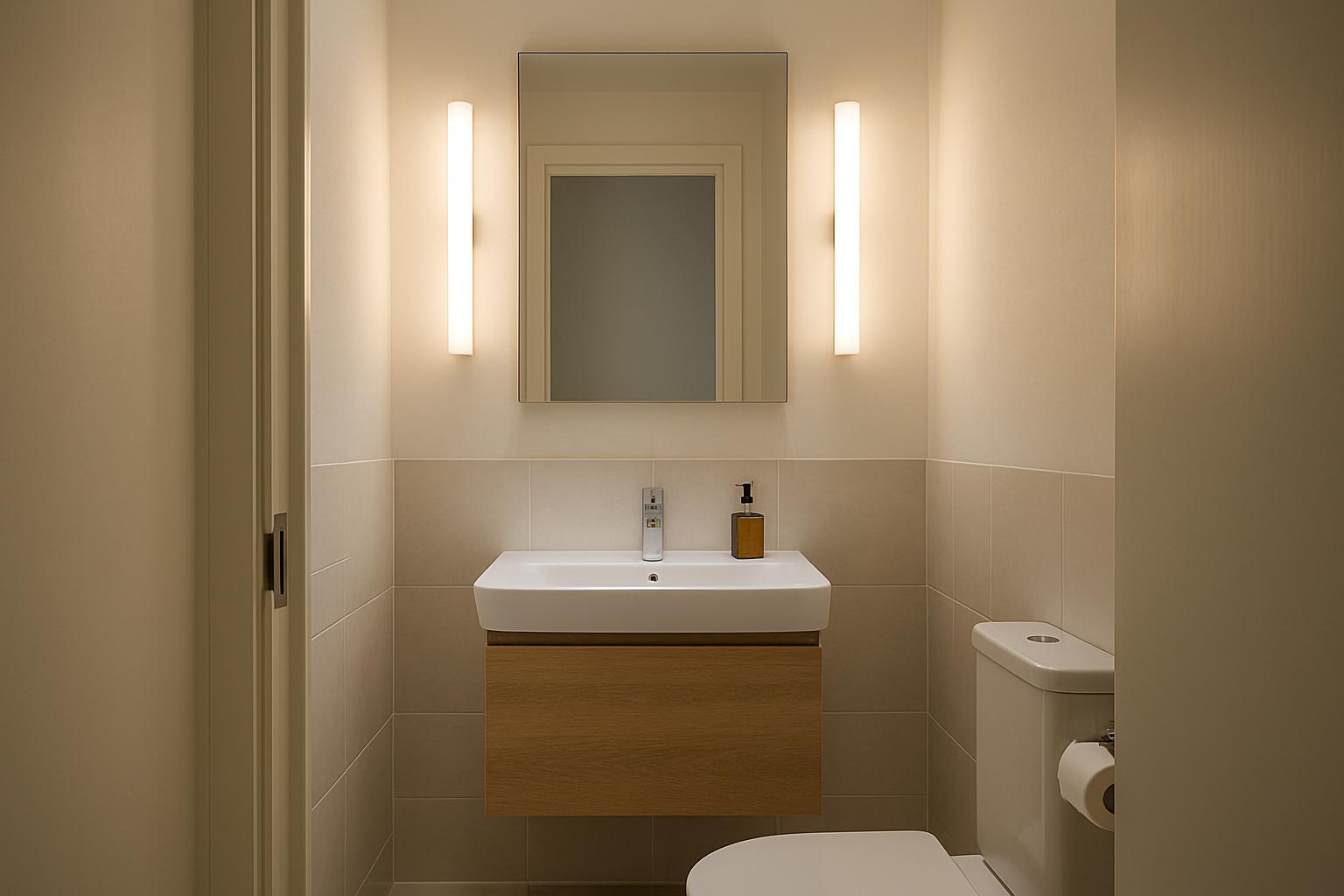
Then mark the activities that require clearer light. In a kitchen, these might include the sink, hob and main preparation area. A sitting room may need light beside one armchair but not beside every seat. At a desk, consider where light will fall in relation to the screen and the user's writing hand. At a mirror, check whether the existing light illuminates the face or leaves it shadowed from above.
This exercise often shows that the answer is not a more powerful central fitting. A reading light, wall light or suitable task light may address the actual problem with less glare and greater flexibility.
Test the lighting you already have
Existing fittings can provide useful evidence, even if you plan to replace them. Note where their light reaches, where it is blocked and whether exposed lamps are uncomfortable from a sofa, bed or landing. Check whether a shade directs most of the light downwards, softens it through glass or sends useful light towards the ceiling.

If a room feels dull, identify the reason before blaming the fitting alone. Dark shades, unsuitable lamps, dirty diffusers and heavily coloured walls can all affect the result. The problem may also be poor distribution: one bright patch in the centre can coexist with gloomy corners.
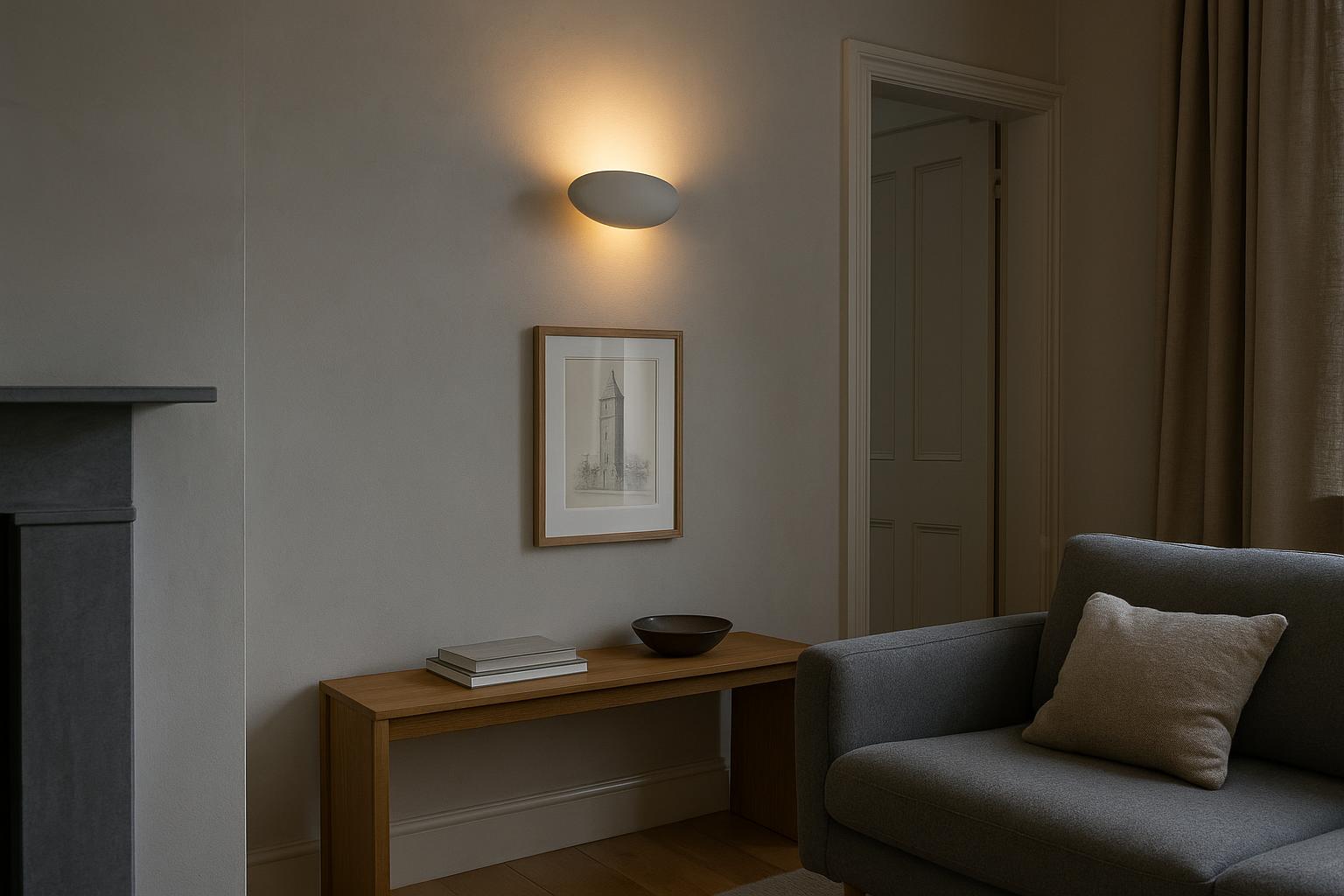
Decide whether each room needs ambient, task or accent lighting, or a restrained combination of the three. Accent light is optional; safe movement and practical tasks come first. This distinction makes it easier to judge pendant lights and decorative wall lights without expecting them to perform every role.
Map electrical points and controls
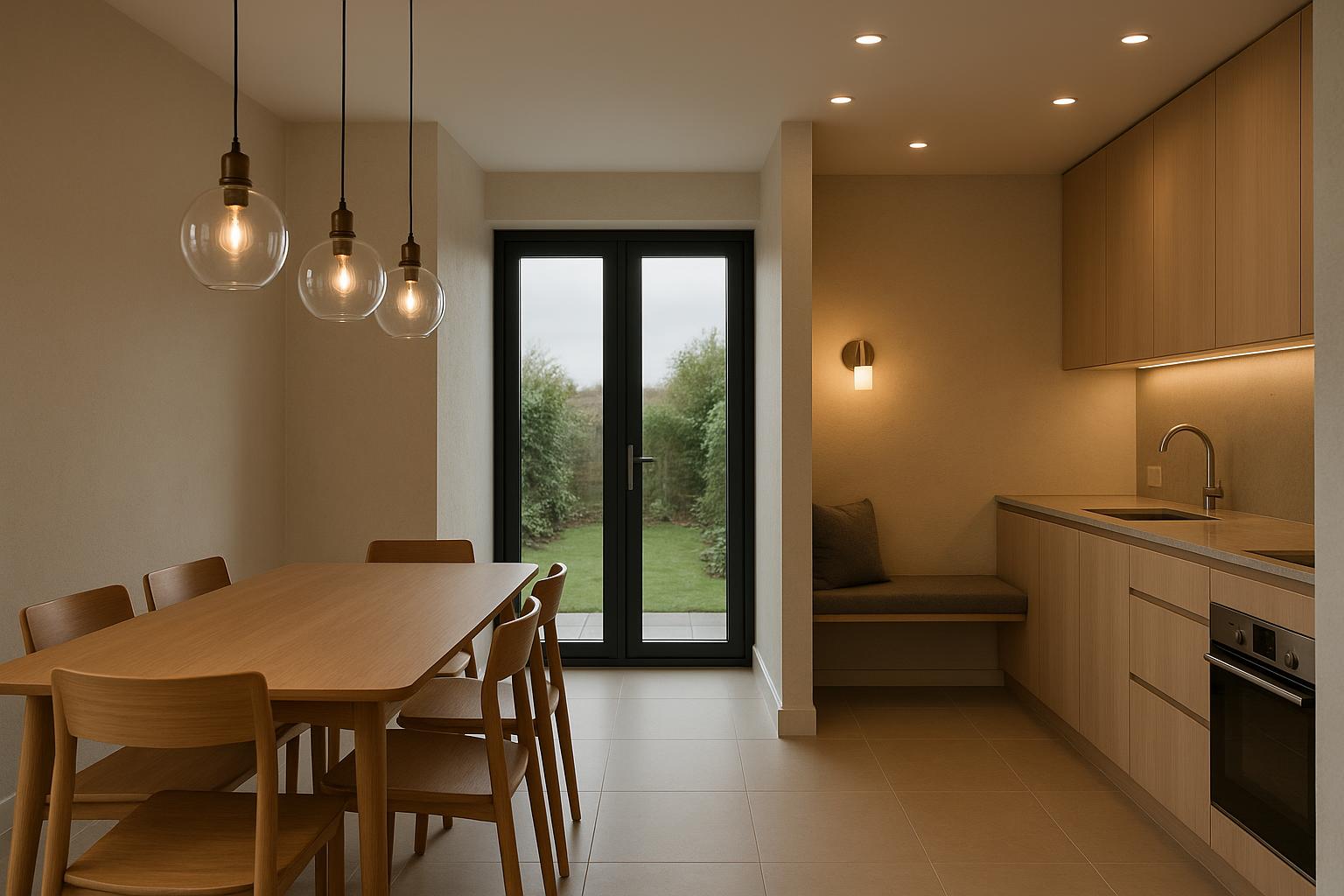
Write down which switch operates each light point. In a kitchen-diner, separate control of worktop lighting and dining lights can be more useful than placing everything on one circuit. On stairs and landings, consider whether controls are available at the points where people enter and leave the route. In a bedroom, record whether bedside lights can be operated from the bed or only from the doorway.
If dimming is wanted, treat it as part of the specification rather than an accessory to consider later. The fitting, lamp or integrated LED and dimmer must be compatible. Smart controls can be worthwhile where they solve an access or scheduling problem, but they should not make an ordinary room unnecessarily complicated.
In the same direction, Pendant Lights: Your Ceiling's Favorite Accessory! offers useful ideas for choosing home lighting more confidently.
Changes to switches, fixed wiring or light-point positions should be discussed before plastering and decorating. It is far easier to resolve the electrical plan while surfaces are already being prepared than after the room has been finished.
Turn observations into a buying brief
Reduce the survey to a concise brief for each fitting. This prevents style from pushing practical requirements aside once you begin shopping. Include:
- Location: the room, exact light point and intended job;
- Space: maximum width, projection or drop and any nearby obstruction;
- Light: the supplier's stated output, lamp type, colour appearance and beam characteristics where provided;
- Control: switching and dimming requirements;
- Construction: product weight, fixing information and points for the electrician to confirm;
- Environment: explicit suitability for a bathroom, porch or outdoor position where relevant;
- Appearance: finish, glass type and nearby fittings visible from the same viewpoint.
Read the complete product listing rather than relying on the main photograph. Check whether dimensions include the ceiling plate, whether a pendant drop is adjustable and whether lamps are supplied. For an integrated LED fitting, review the stated light and control details because there is no separate lamp to swap later.
Bathroom and outdoor products should be chosen for the precise location and conditions described by the supplier. A sealed-looking shade or metal finish is not evidence of suitability.
Coordinate visible fittings without overmatching
Use shared sightlines to decide which fittings need a relationship. An open-plan extension may contain downlights, pendants and wall lights of different forms, yet still feel coherent if they repeat a finish, glass colour or simple geometric detail. Exact matching is rarely necessary.
Keep the strongest statement for a place with enough visual space around it. A large pendant may suit a dining table or tall stairwell, while adjoining ceiling lights remain quieter. In a compact Dublin apartment or low bungalow, cohesion often comes from restraint rather than from repeating a conspicuous design in every room.
View finish samples in the room if possible. Polished metal can reflect windows and neighbouring lamps, while matt surfaces usually have a quieter presence. Colour can also shift between overcast daylight and warm evening light.
Confirm details before ordering and installation
Prioritise areas where lighting affects cooking, work and safe movement. Once those choices are settled, deal with fittings seen across shared spaces, followed by more independent bedrooms and occasional rooms. Keep a record of product names, dimensions and finishes if purchases will be spread over several months.

Before placing a large order, ask the electrician to review any proposed changes to points, controls or supports. Confirm product availability before fixing an installation date, and inspect delivered fittings against the order before electrical work begins.
With the survey beside you, browsing light fittings in Ireland becomes a process of checking suitable options rather than guessing from photographs. Compare ceiling lights, flush fittings, wall lights and pendants against the job, space and controls already recorded.
The finished scheme does not need the greatest number of lights or the most elaborate fittings. It needs useful light in the right places, comfortable options after dark and fixtures that sit naturally within the rooms. A careful survey provides the information needed to achieve that before money is spent or work is booked.